Resilience Coaching

JOMO for CEOs

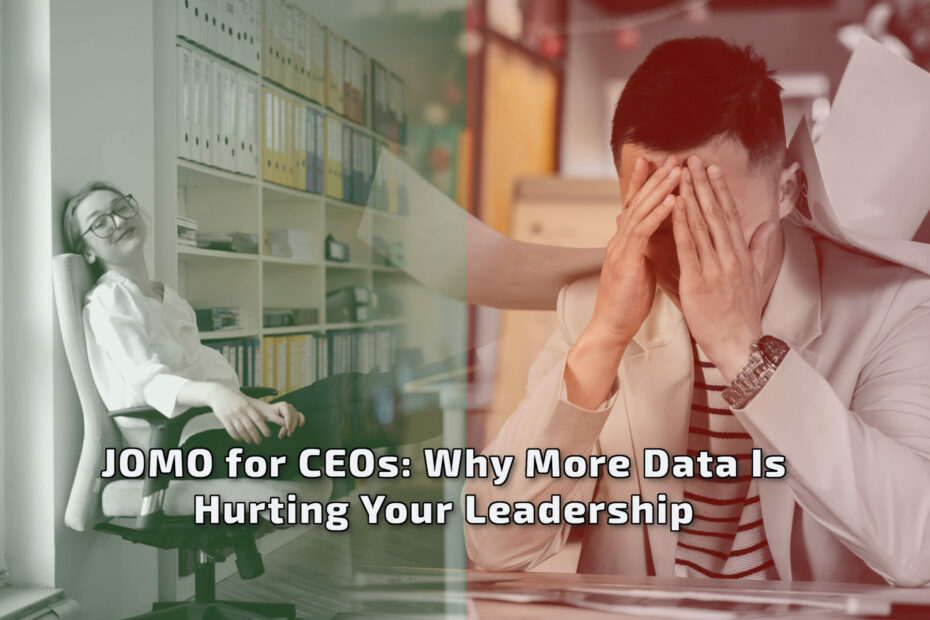
JOMO for CEOs: Why the joy of missing out leads to better leadership decisions.

JOMO for CEOs reframes modern leadership in an age of relentless data streams and digital noise. As executives face constant notifications, dashboards, and performance metrics, decision fatigue quietly erodes strategic clarity. This article explores how embracing the Joy of Missing Out allows leaders to reduce cognitive load, build intelligent filtering systems, and transition from reactive data consumption to proactive insight-driven leadership. By intentionally choosing what to ignore, CEOs reclaim the mental space required for pattern recognition, resilience, and high-stakes decision-making.

Stress and Strain

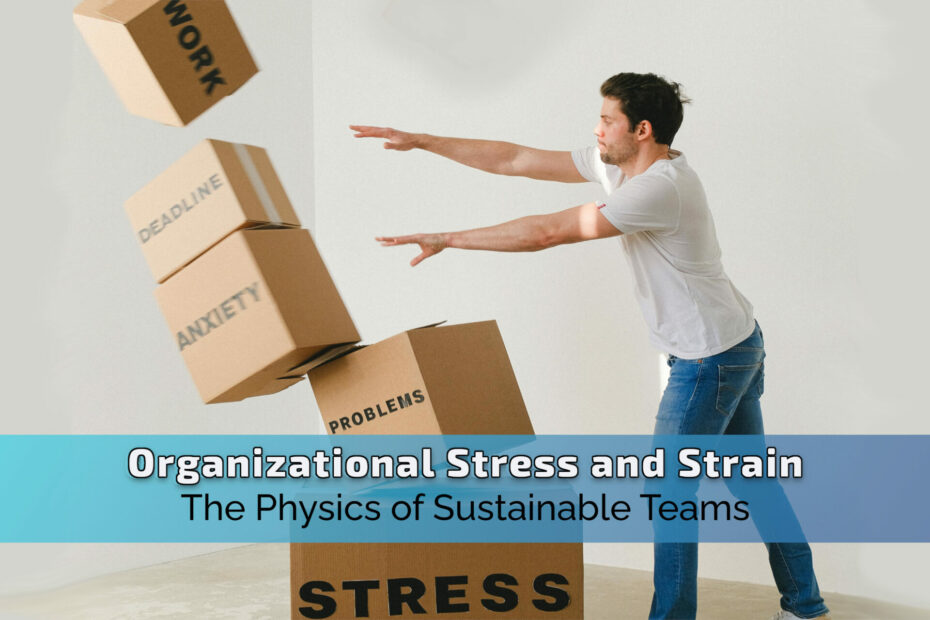
Organisational resilience requires a deep understanding of the distinction between stress and strain.

Stress and strain are often used interchangeably in leadership, yet their distinction is the key to organizational longevity. While stress is the external pressure applied to a team, strain is the resulting internal deformation that leads to permanent material fatigue. By analyzing the physics of load distribution and structural integrity, leaders can build anti-fragile systems that absorb market shocks. Move beyond tracking output and start measuring the elastic limit of your human architecture to prevent systemic collapse and maintain permanent excellence.

Strong Leader

The myth of the strong leader persists because we often fail to see vulnerability as a systemic benefit.

Vulnerability is not a ‘soft skill’ or an emotional luxury; it is a systemic requirement for maintaining the integrity of your data. When a leader projects an image of invulnerability, they unintentionally signal that mistakes are a threat to the hierarchy. This creates an informational vacuum where the people closest to the technical work begin to hide errors and suppress dissenting data, transforming the ‘strong leader’ into a systemic single point of failure.

Organizational change fitness

Beyond the pivot and change: Organizations must design for true change fitness.

Organizational change fitness is not about finding tougher leaders; it is about building smarter systems. When your technical environment contradicts your strategic goals, you create a “cognitive friction” that exhausts your team and stalls progress. By aligning your digital scaffolding with the biological realities of how humans learn and work, you can eliminate the “process tax” that leads to burnout. Discover how to design a business architecture that acts as a multiplier of energy rather than a drain on it.