Resilience Coaching

Explore resources, strategies, and insights dedicated to Resilience Coaching. This section focuses on the methodologies used to help individuals and teams adapt to change, recover from setbacks, and sustain high performance under pressure.

What you will find here:

  1. Evidence-based techniques for building mental toughness.
  2. Frameworks for navigating professional and personal adversity.
  3. Tools for coaches to support clients in cultivating emotional regulation and adaptability.
Organisational Observability

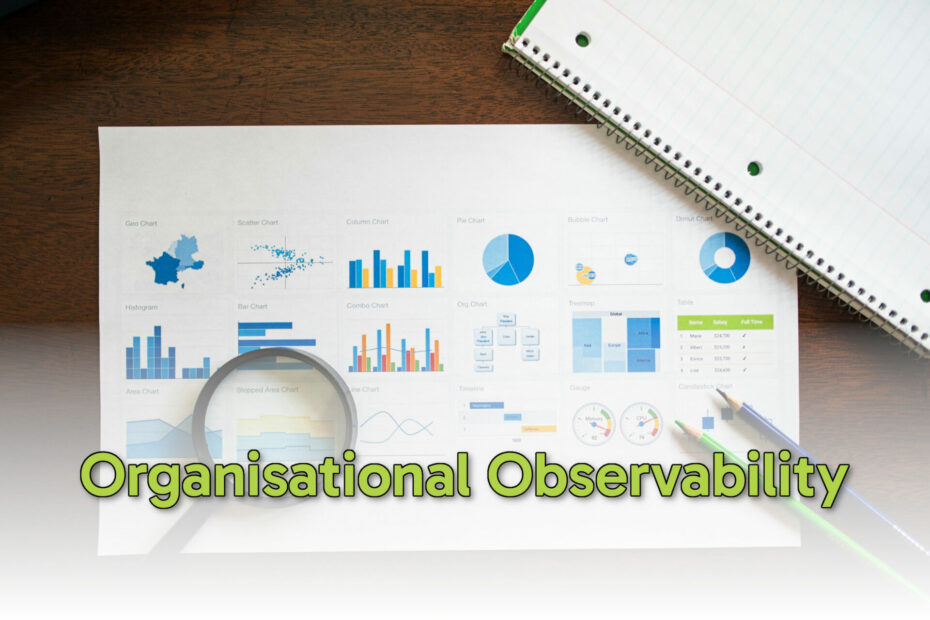
Organisational Observability

Organisational observability moves beyond static monitoring to provide a real-time understanding of your human-technical system. Learn how to use DORA (DevOps Research and Assessment) metrics and telemetry to enable side-of-desk resilience.

Operational Dampers ensure sustainable growth and organisational resilience.

Operational Dampers ensure sustainable growth and organisational resilience.

Operational Dampers are the critical shock absorbers that allow organisations to scale effectively without compromising human performance. By using the analogy of seismic dampers in Japan, this article explores how intentional “slack” and “active rest” act as a human-technical strategy for resilience. In high-growth environments,… Read More »Operational Dampers ensure sustainable growth and organisational resilience.

Technical Debt

Reducing Technical Debt as a human-technical strategy for longevity

Reducing Technical Debt is a vital human-technical strategy for maintaining long-term organizational health. While often seen as a purely engineering issue, technical friction acts as a “biological tax” on your team, leading to increased cortisol levels and burnout. This article explores the scientific link between… Read More »Reducing Technical Debt as a human-technical strategy for longevity

Scenario Planning Strategy

Scenario Planning Strategy leads to adaptive organisational readiness and resilience.

Scenario Planning Strategy acts as a vital mental rehearsal for leadership teams navigating volatile markets. Unlike traditional predictive planning, which relies on fixed forecasts, this adaptive approach focuses on organizational learning and speed of response. By integrating human-technical insights, leaders can lower cognitive load and… Read More »Scenario Planning Strategy leads to adaptive organisational readiness and resilience.

JOMO for CEOs

JOMO for CEOs: Why the joy of missing out leads to better leadership decisions.

JOMO for CEOs reframes modern leadership in an age of relentless data streams and digital noise. As executives face constant notifications, dashboards, and performance metrics, decision fatigue quietly erodes strategic clarity. This article explores how embracing the Joy of Missing Out allows leaders to reduce… Read More »JOMO for CEOs: Why the joy of missing out leads to better leadership decisions.

Stress and Strain

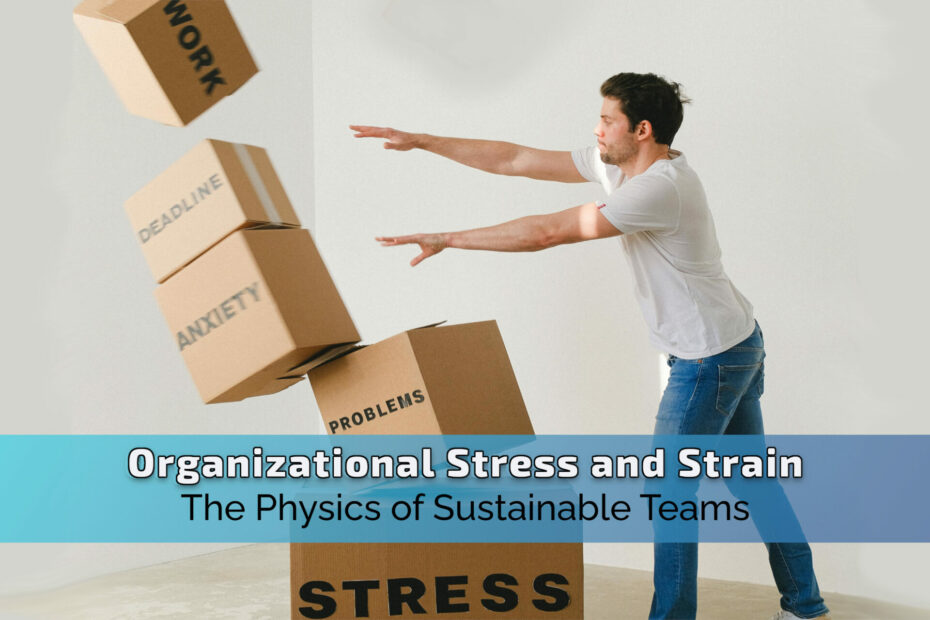
Organisational resilience requires a deep understanding of the distinction between stress and strain.

Stress and strain are often used interchangeably in leadership, yet their distinction is the key to organizational longevity. While stress is the external pressure applied to a team, strain is the resulting internal deformation that leads to permanent material fatigue. By analyzing the physics of… Read More »Organisational resilience requires a deep understanding of the distinction between stress and strain.

Resilience Audit

A resilience audit helps leaders identify the hidden friction points in their current tech stack.

Resilience Audit processes allow business owners to identify hidden friction points within their tech stack that drain team energy. By examining areas like context switching, information opacity, and manual task redundancy, leaders can reclaim cognitive focus for high-value work. This guide provides a practical framework… Read More »A resilience audit helps leaders identify the hidden friction points in their current tech stack.

Strong Leader

The myth of the strong leader persists because we often fail to see vulnerability as a systemic benefit.

Vulnerability is not a ‘soft skill’ or an emotional luxury; it is a systemic requirement for maintaining the integrity of your data. When a leader projects an image of invulnerability, they unintentionally signal that mistakes are a threat to the hierarchy. This creates an informational… Read More »The myth of the strong leader persists because we often fail to see vulnerability as a systemic benefit.

Organizational change fitness

Beyond the pivot and change: Organizations must design for true change fitness.

Organizational change fitness is not about finding tougher leaders; it is about building smarter systems. When your technical environment contradicts your strategic goals, you create a “cognitive friction” that exhausts your team and stalls progress. By aligning your digital scaffolding with the biological realities of… Read More »Beyond the pivot and change: Organizations must design for true change fitness.